










با توجه به تجربه عملی ما (20 سال) در حوزه پستهای برق با ولتاژ متوسط (MV)، ولتاژ عالی (HV) و ولتاژ بسیار بالا (EHV)، همچنین همکاری با دفاتر مشاوره مختلف در طراحی شبکههای توزیع برق برای پروژههای مهمی که نیازمند دقت در محاسبات مختلف برق هستند، بعلاوه اخذ مدرک کارشناسی ارشد در علوم مهندسی برق و ماشینهای الکتریکی با موضوع «شناسایی و تشخیص مشکلات کیفیت توان با استفاده از تکنیکهای پیشرفته هوش مصنوعی (LSTM)»، این دوره با بهرهگیری از بهترین برنامههای مهندسی آماده شده است. این دوره ارتباط تنگاتنگی بین مباحث دانشگاهی تئوری و کاربردهای عملی در پستهای برق ولتاژ بالا و بسیار بالا و نیز شبکههای توزیع با ولتاژ متوسط و پایین برقرار میکند.
این رویکرد منحصربهفرد در توضیح و آمادهسازی دوره، برای تمامی سطوح مهندسی و فنی، از دانشجویان مهندسی در دانشگاهها و مؤسسات فنی تا مهندسان متخصص و باتجربه در سیستمهای قدرت و توزیع برق طراحی شده است، به ویژه افرادی که در زمینه کاهش تلفات یا بهینهسازی مصرف انرژی در پستها یا شبکههای توزیع فعالیت دارند.
دوره، ضمن تاکید بیشتر بر تصاویر و مثالهای واقعی کاربردی، به صورت عملی توضیح داده شده و به سادگی مباحث تئوری توجه دارد. این روش اجازه میدهد مطالعه تئوری آکادمیک را با واقعیتهای عملی پیوند دهیم تا پس از اتمام دوره، کاربردی واقعی داشته باشد.
دوره پیش رو ارتباط نزدیکی با سیستمهای قدرت و سیستمهای توزیع برق دارد. در این دوره، موارد زیر ارائه شدهاند:
این دوره برای چه کسانی مناسب است؟
Capacitors for Power Factor Correction, Saving Power & Money
Through my practical experience (20 years) in the field of electrical substations for medium voltage (MV), high voltage (HV), and extra-high voltage (EHV), as well as working with various consulting offices in designing electrical distribution networks for many important projects that require accuracy in various electrical calculations, in addition to obtaining a Master's degree in Engineering Sciences in Power and Electrical Machines Engineering titled "Detection and Identification of Power Quality Problems using advanced Artificial Intelligence techniques (LSTM)", this course has been prepared using the best engineering programs that connect academic/theoretical aspects with practical/reality in high voltage and extra-high voltage electrical substations, as well as distribution networks for medium and low voltages.
This unique approach to explanation and course preparation has been designed to cater to all engineering and technical levels, starting from students in engineering universities and various technical institutes, all the way to highly experienced specialized engineers in power systems and electrical distribution, particularly those specializing in studies of power loss or rationalization of electrical energy in electrical substations or distribution networks.
The course has been explained in a practical manner, relying on simplicity in theoretical explanations and placing greater emphasis on visuals and real-life practical examples. This approach allows us to connect academic theoretical study with what actually exists in practical reality for real-world application after completing this course.
The course we have is closely related to power systems and electrical distribution systems. In this course, we provide the following:
* Basic concepts of alternating current (AC).
* Basic concepts of the components of the electrical power system.
* The importance of power stations (generation stations).
* The main source of voltage (V), current (I), frequency (f), and reactive power (Q).
* Types of electrical loads.
* The difference between resistive loads, inductive loads, and capacitive loads.
* The meaning of resistance, inductive reactance, and capacitive reactance.
* Explain how to obtain the frequency (50 Hz) and (60 Hz) in the electrical network through power stations.
* The main source of the phase angle (φ) between voltage and current.
* The real, practical meaning of the phase angle (φ).
* The meaning of the current is lead, lag, and in-phase.
* The practical reason why the current is leading in the case of a capacitor, lagging in the case of a (conductor) coil, and in-phase in the case of a resistance.
* The difference between an electric field and a magnetic field.
* The difference between electrical energy and electrical power.
* Explanation of the meaning of the power triangle.
* The difference between Active Power (P), Reactive Power (Q), and Total or Apparent Power (S).
* The meaning of Power Factor (P.F).
* The meaning of Reactive Power (Q).
* The relationship between the power factor (P.F) and the reactive power.
* The importance of improving the power factor (P.F) for both the power supply source and the loads.
* Sources for power factor improvement.
* How to calculate the electrical energy (kWH) consumed by the electrical device or electrical load during a specific period or period of time (hour/day/month/year).
* The different methods and detailed steps to improve the power factor.
* The difference between a synchronous motor and an induction motor and the role of each in improving the power factor.
* The different locations to install the capacitor banks needed to improve the power factor and the advantages and disadvantages of each location.
* How to calculate the reactive power (Q) and capacitance (C) of the capacitors needed to improve the power factor (calculation method/table method/using Excel sheet)
* The most important results of installing capacitors and improving the power factor of the electrical power system.
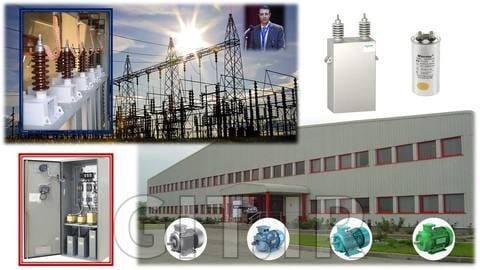
* The internal structure of the low-voltage and medium-voltage capacitor unit.
* Components of low-voltage and medium-voltage capacitor banks.
* Causes of damage and breakdown of units and components of low-voltage and medium-voltage capacitor banks.
* The role of capacitors in reducing losses.
* A practical case study on the importance of improving power factor in enhancing the technical, economic, and environmental performance of the industrial system, specifically, and the power system in general.
با ورود یا ثبتنام رایگان، به این درس و بقیه محتوای این دوره دسترسی خواهید داشت.
برای دسترسی به این دوره، یکی از گزینههای زیر را انتخاب کنید:
مناسب برای تهیه چندین دوره
با اشتراک ویژهای که دارید، کافیست این دوره را به لیست دورههای خود اضافه کنید تا بلافاصله به آن دسترسی داشته باشید.






نظرات کاربران